Overgrown garden clearance in Lincolnshire: where to start when you've inherited a neglected plot
Overgrown garden clearance across Lincolnshire and Nottinghamshire. We restore neglected plots, clear scrub and get gardens back under control. Call us today.

When a Garden Gets Away From You
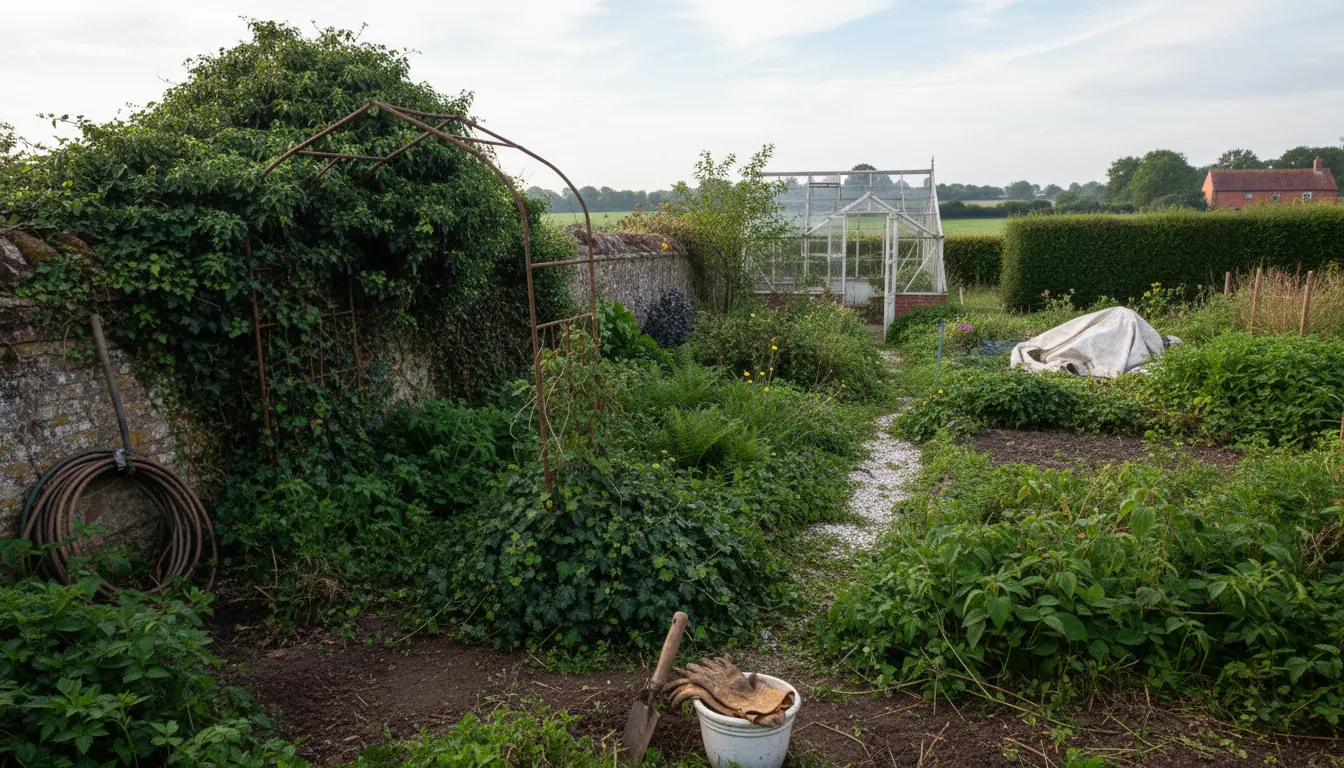
Lincolnshire gardens can go from manageable to completely overwhelming in a single season. A wet Trent-valley winter followed by a warm spring and suddenly the hedges are head height, the lawn has vanished under moss and weeds, and the borders are a tangle of bramble and bindweed. It happens to the best of us.
We carry out overgrown garden clearance right across Lincolnshire and into Nottinghamshire, covering Grantham, Sleaford, Lincoln, and the villages in between, as well as Newark-on-Trent and the surrounding area. Whether the plot has been neglected for two years or twenty, we can get it back under control.
What "Overgrown" Actually Looks Like
No two clearance jobs are the same. Some gardens just need a hard cut-back and a tidy. Others have been left for years and need a more methodical approach. Here is what we typically encounter:
- Self-seeded trees and woody shrubs pushing through fences, lifting paving and shading out everything else
- Bramble and ivy that have taken over whole sections of the garden, climbing walls and smothering beds
- Overgrown hedges that have spread outward by a metre or more and are blocking light from the house
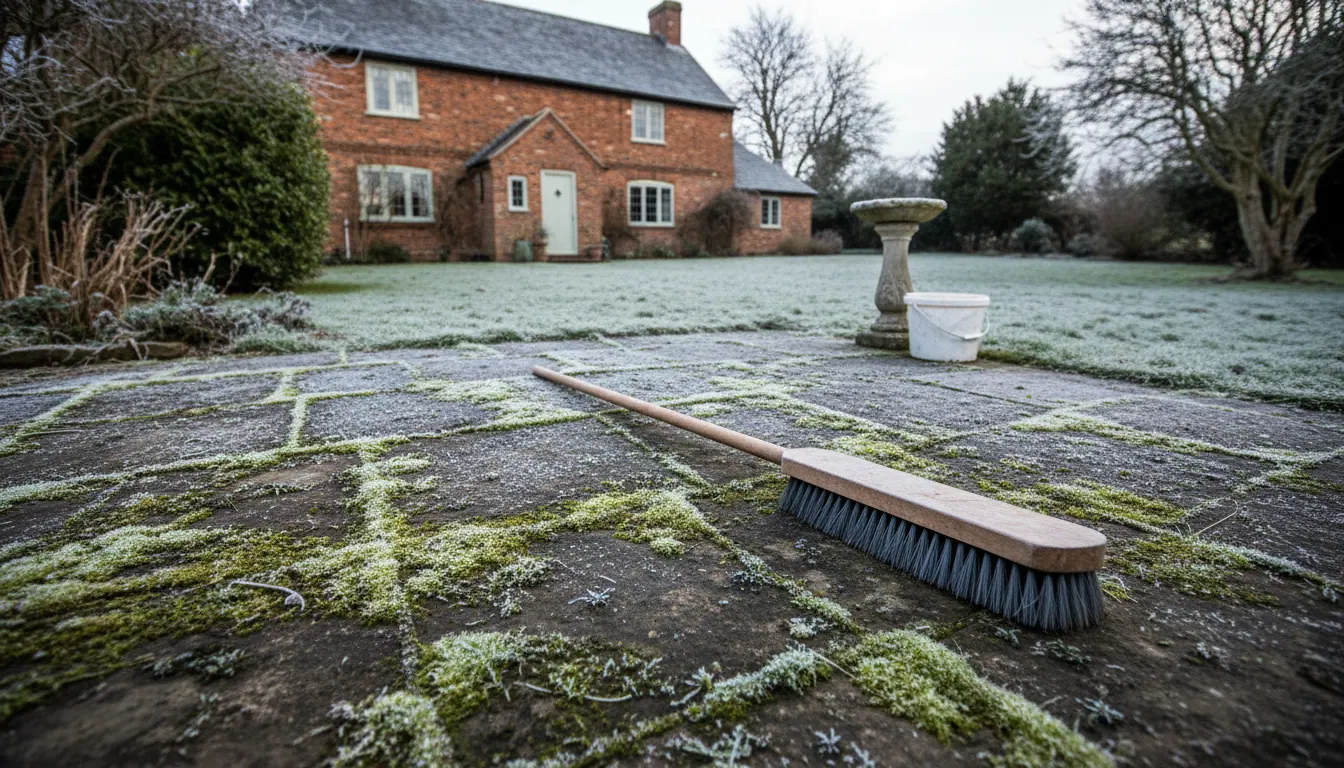
- Lawn areas that are more weed than grass, compacted and uneven after years without attention
- Accumulated waste: old compost heaps, rotting timber, broken pots and general garden debris that has built up over time
Rural properties around Sleaford, Grantham and the Lincolnshire villages often have additional challenges: mature trees with low canopies overhanging outbuildings, old orchard trees that need crown lifting or removal, and shelter belts of conifers that have grown far beyond their intended size.
Our Clearance Process: What to Expect
We do not just arrive with a strimmer and hope for the best. A proper garden clearance follows a sensible order, and we plan the work before we start.
1. Initial assessment We walk the plot with you (or, if the property is empty, we assess it ourselves) and agree what stays and what goes. Sometimes there are plants worth saving, a decent shrub buried under bramble, or a tree that just needs a tidy rather than removal. We will flag those.
2. Tree and woody shrub work first Any significant cutting, pruning or removal of trees and large shrubs happens at the start. This clears the canopy, lets light in, and means we are not working around obstacles later. If any tree has a Tree Preservation Order on it, or if the property sits in a conservation area (which applies to parts of Lincoln, Grantham and several Lincolnshire villages), we check permissions before we touch it. Our article on whether you need permission to fell or prune a tree in Newark and Nottinghamshire covers this in detail, and the same principles apply across Lincolnshire.
3. Ground-level clearance Bramble, ivy, weeds and scrub come next. We cut back hard, remove root systems where practical, and take away all the arisings. We do not leave piles of green waste for you to deal with.
4. Stump removal If trees have been felled as part of the clearance, stumps can be a real problem for what comes next. A stump left in the ground will regrow, harbour pests and make it impossible to turf or pave over the area properly. We offer stump grinding as part of the clearance package. Our guide on stump grinding after tree removal explains why it matters, especially if you are planning a new lawn, patio or fence line afterwards.
5. Tidying and finishing Once the clearance is done, we rake over, remove all waste and leave the plot ready for the next stage, whether that is turfing, paving, fencing or just regular maintenance.
Specific Challenges in Lincolnshire Gardens
Lincolnshire is a big, varied county and the gardens here reflect that. A few things come up regularly in our clearance work across the area.
Conifers and Leylandii screens Tall conifer boundaries are common around Lincoln, Sleaford and the villages towards Grantham. When they are neglected, they can reach six, seven, eight metres and beyond, cutting out light from the house and neighbouring properties. Leylandii in particular will not regenerate from old brown wood, so there is a limit to how far back they can be cut. We assess each screen honestly and tell you what is achievable rather than promising a result we cannot deliver.
Self-seeded ash and sycamore Ash and sycamore seed prolifically and both species can establish quickly in neglected plots. Ash dieback is also a concern on rural properties across Lincolnshire: if you have mature ash trees on your land that show signs of die-back (sparse canopy, dead branches, lesions on stems), they need assessing before they become a safety issue. We can carry out the removal work, though formal arboricultural reports fall outside what we offer.
Old orchard trees Properties around the Trent valley and the Lincolnshire villages often have old fruit trees: apple, pear, damson and plum that have not been pruned in years. These can usually be brought back with crown reduction and deadwood removal rather than felling, which is a much better outcome if the tree is healthy.
Ivy on walls and fences Ivy looks attractive until it gets into mortar joints, lifts fence panels and blocks gutters. Removing established ivy from a wall is a slow, careful job. We take it back in stages to avoid pulling the face off brickwork, and we clear the debris as we go.
After the Clearance: What Next?
A cleared garden is a blank canvas. Many customers across Grantham, Sleaford and Newark ask us to carry on with the next phase of work rather than leave a bare patch of ground.
We can follow up a clearance with:
- New turf or a lawn renovation to replace what has been lost to weeds and moss
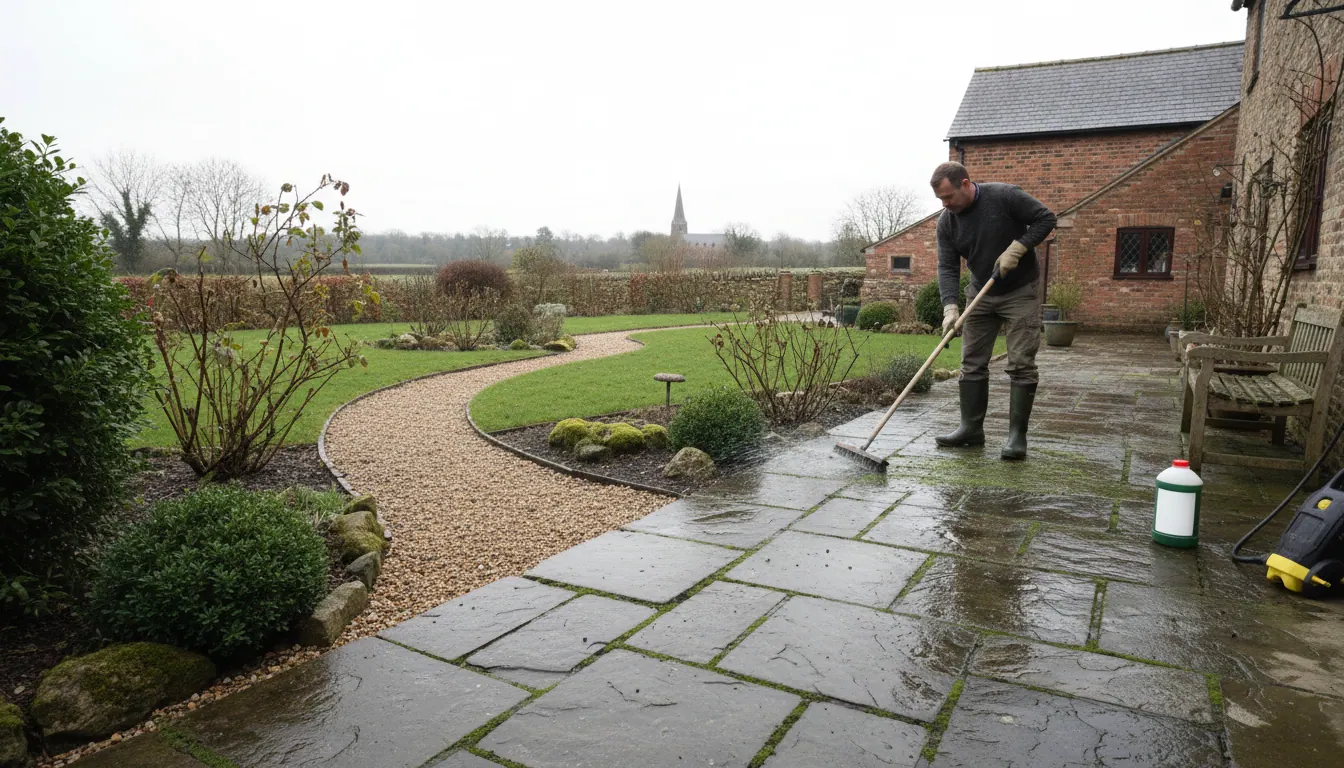
- Patio and paving installation where an old surface has been lifted or a new seating area is wanted
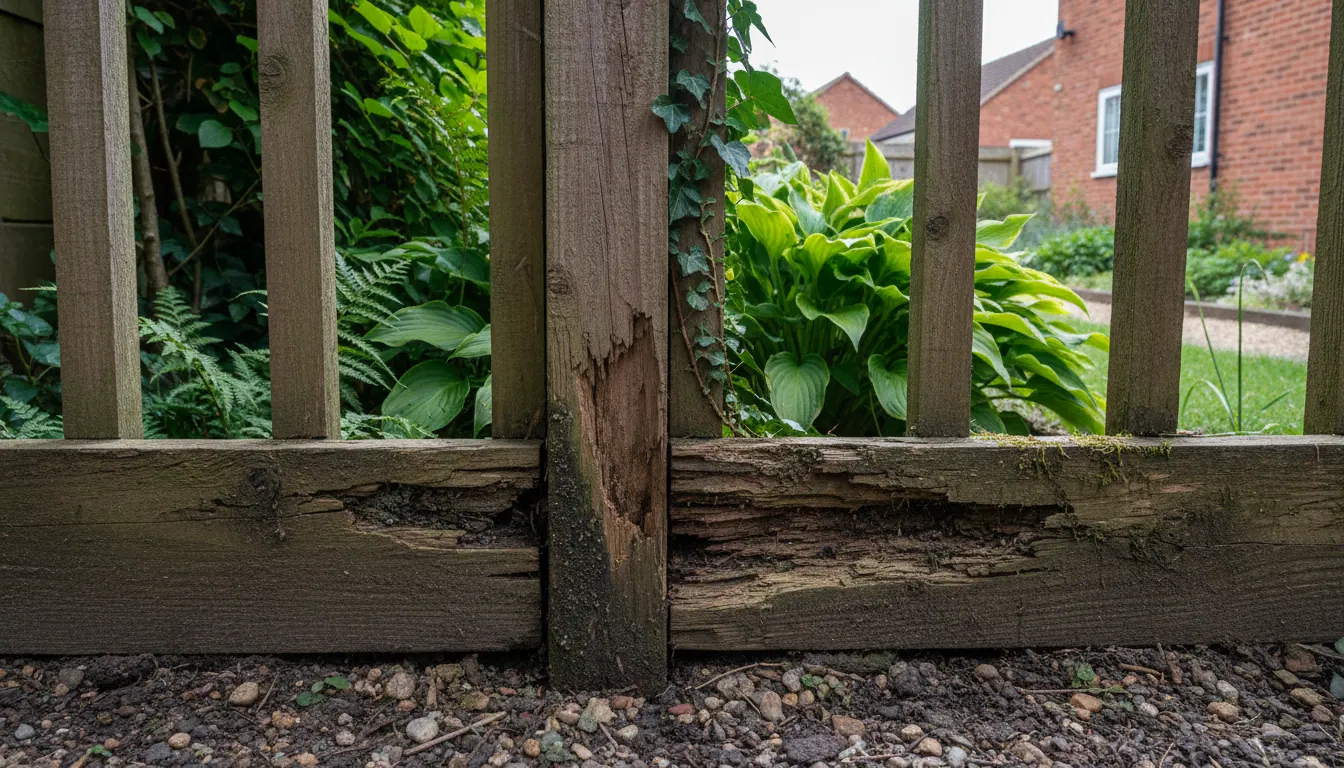
- Fencing to replace panels and posts that have rotted or been damaged by overhanging trees. If your fence has been affected, our article on repairing or replacing a damaged garden fence in Newark and Nottinghamshire is worth a read
- Ongoing garden maintenance to keep the plot under control once it has been restored
There is no pressure to book everything at once. Some customers just want the clearance done and take it from there themselves. We are happy either way.
Bird Nesting Season: Timing Matters
One thing worth knowing if you are planning a clearance between March and August: bird nesting season affects what we can legally cut. Hedges, ivy and dense scrub are prime nesting habitat, and disturbing an active nest is an offence under the Wildlife and Countryside Act 1981. We check for active nests before any cutting work during this period. If nests are present, we work around them and return when the season is over. It is not a reason to delay booking, but it is worth factoring into your timeline. Our detailed guide on bird nesting season rules for Newark and Nottinghamshire covers this fully.
Frequently Asked Questions
How long does an overgrown garden clearance take? It depends entirely on the size and condition of the plot. A modest back garden that has been neglected for a couple of seasons might take a day. A larger rural plot with self-seeded trees, dense bramble and accumulated waste could take two or three days, sometimes more. We give you a realistic timeframe when we quote.
Do you take the waste away? Yes. All green waste, woody material and general garden debris is removed and disposed of responsibly. We do not leave skips on your drive or piles of material for you to sort.
Can you clear a garden in a Lincolnshire conservation area or near a listed building? Yes, with the right checks in place. Ground-level clearance, lawn work and most shrub cutting does not require permission. However, if trees are involved and the property is in a conservation area, we need to notify the local planning authority before work starts. We are familiar with the rules and will flag any restrictions before we begin.
I have inherited a completely neglected plot. Where do you even start? This is more common than you might think, especially with rural properties around Sleaford, Grantham and the Lincolnshire villages. We start with a site visit to assess what is there, identify anything worth keeping, and give you a clear plan and a fixed quote. There is no obligation after the visit.
Get in Touch
If you have a garden that has got away from you, whether that is a small urban plot in Grantham or a larger rural property near Sleaford or Lincoln, we are happy to come and take a look. We cover the whole of our service area across Lincolnshire and Nottinghamshire, and we give straightforward quotes with no jargon.
Call us on 07572 397309 to arrange a visit, or get in touch through the website. We will tell you honestly what the job involves and what it will cost.
Ready when you are
Call us- Stump grinding after tree removal: why it matters for new patios, fencing and lawns
- Repair or replace? What to do with a damaged garden fence in Newark and Nottinghamshire
- Do I need permission to fell or prune a tree in Newark-on-Trent and Nottinghamshire?
- What months can't you cut trees? Bird nesting season rules for Newark and Nottinghamshire