Patio and pathway maintenance in wet winters: preventing moss, algae and slips across Newark and Sleaford
Keep your patio safe and clean through a Nottinghamshire winter. Practical advice on moss, algae, drainage and when to call us for help.

Why wet winters are hard on patios in Nottinghamshire and Lincolnshire
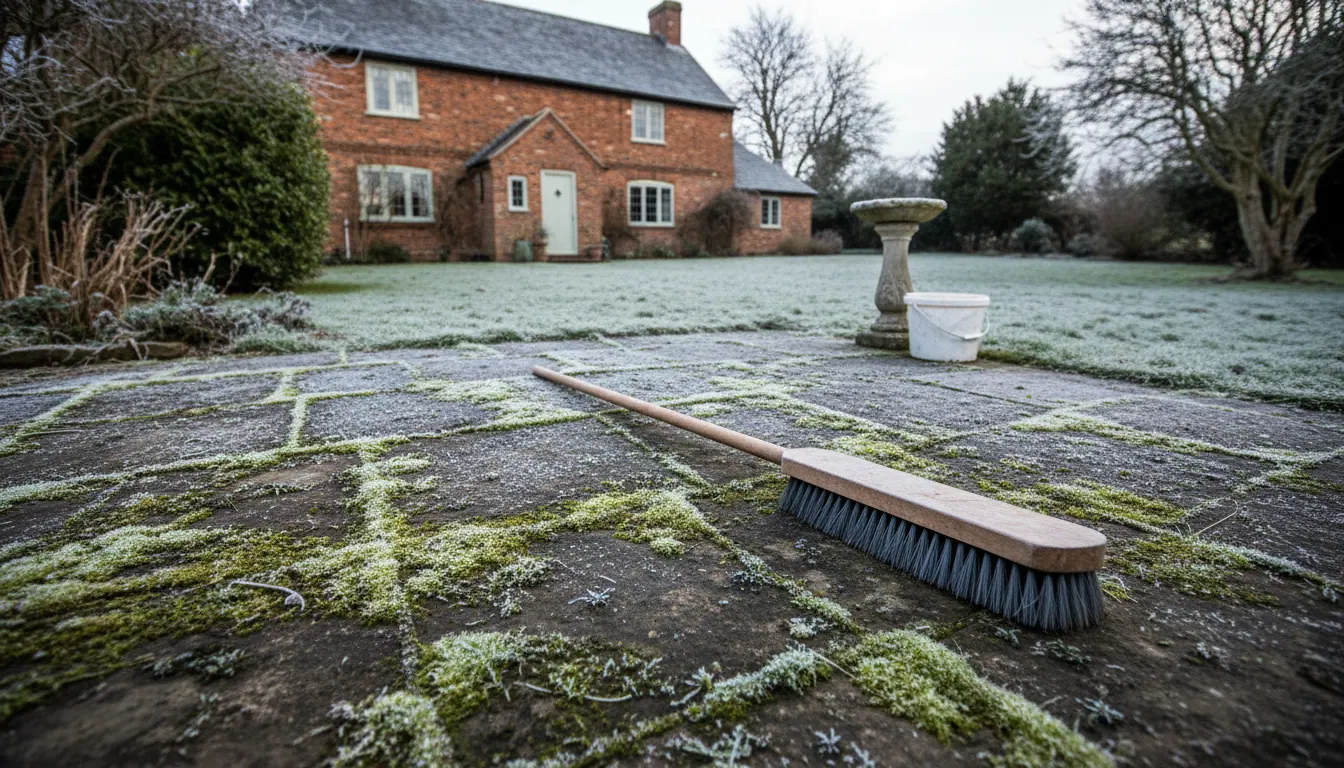
Nottinghamshire winters are wet. The Trent Valley in particular sits low and holds moisture, and from October through to March many patios, paths and paved areas barely dry out between one rain shower and the next. Add the clay-heavy soils common around Newark, Collingham and Southwell, and you have ground that drains slowly, holds water near the surface and shifts slightly with every freeze-thaw cycle.
The result? Moss and algae spread fast, joints crack, slabs tip, and a patio that looked perfectly fine in August becomes genuinely slippery by November.
This is not just a cosmetic problem. A green, wet patio is a safety hazard, especially for older residents or anyone with young children running in and out. Getting on top of it before the worst of the weather arrives makes a real difference.
What actually damages your patio over winter
It helps to understand what you are fighting. There are three main culprits.
Biological growth. Moss, algae and lichen thrive in damp, shaded conditions. They colonise the surface of slabs and the gaps between them. As they grow, they retain even more moisture, which accelerates the freeze-thaw damage below.
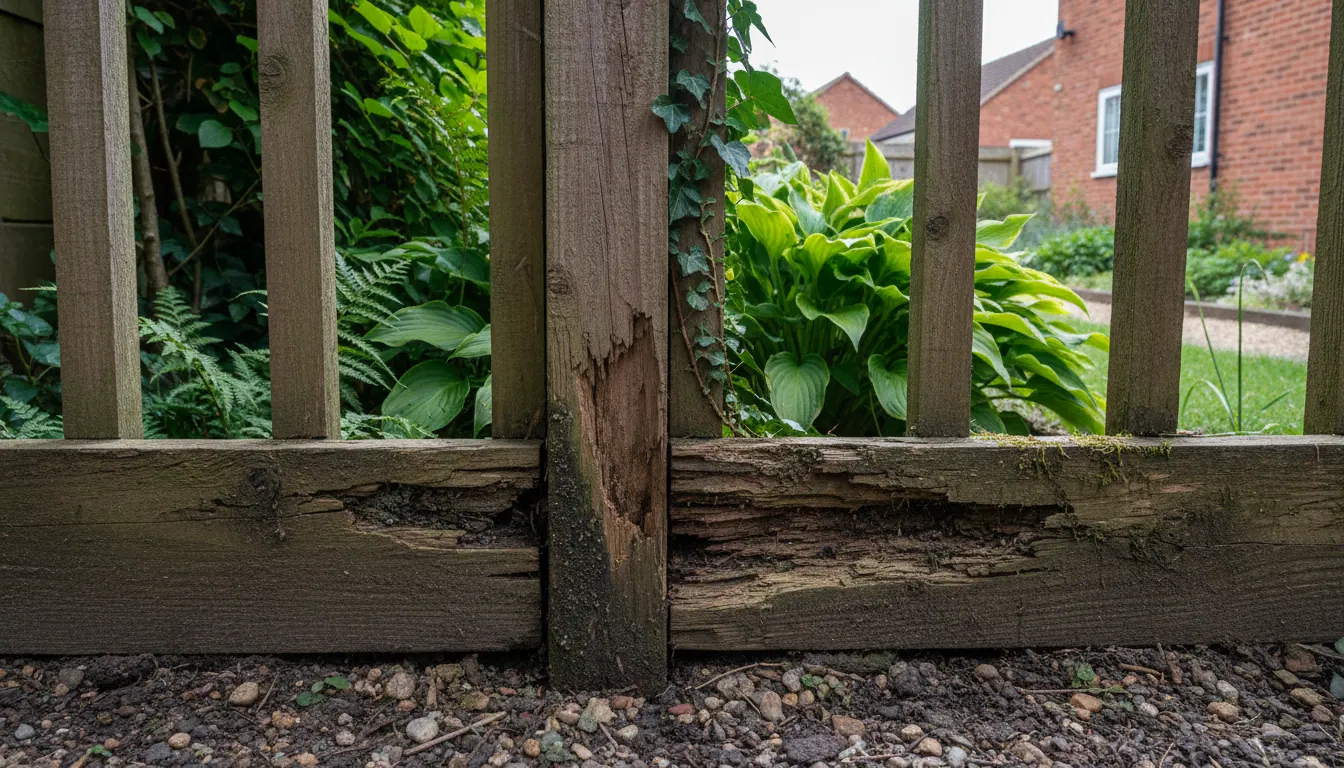
Freeze-thaw movement. Water seeps into hairline cracks in slabs or into the bedding beneath them. When temperatures drop below zero, that water expands. Over a season this gradually lifts, tips or fractures slabs, particularly on older patios laid on a sand bed rather than a full mortar base.
Blocked drainage. Leaves, debris and compacted moss can block the gaps between slabs and the drains or soakaways nearby. Water then pools on the surface rather than running off, sitting against house walls or spreading into outbuildings.
None of these problems fix themselves once spring arrives. They just pause.
The best time to clean and treat a patio
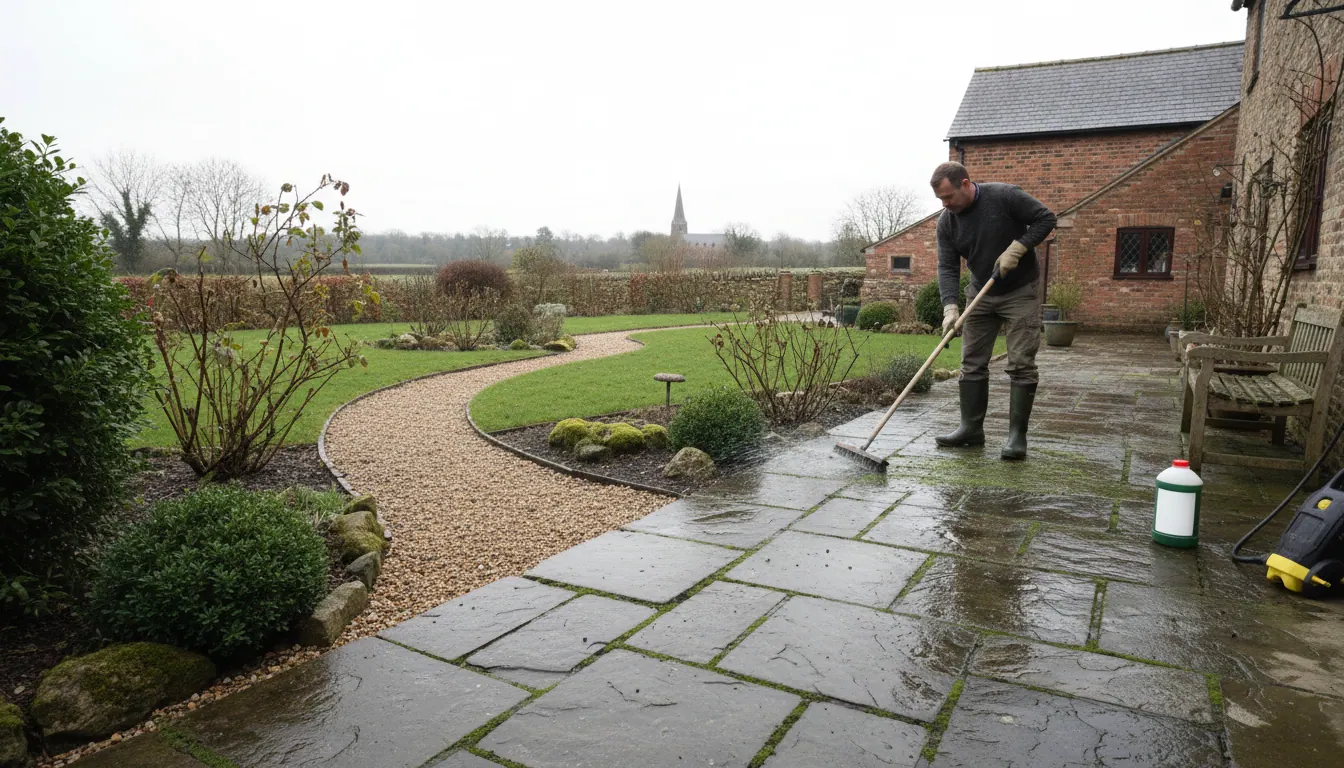
People often ask when to jet wash a patio. Autumn is the ideal window, specifically September or October, before the first hard frosts and while surfaces are still drying out between showers. Cleaning in late autumn removes the biological growth that would otherwise sit wet on the surface all winter, holding moisture and spreading further.
Spring is the second best option, once frosts have passed. It lets you assess any frost damage and tackle the fresh growth of moss and algae before it takes hold for another year.
Avoid jet washing during a hard frost or immediately before one is forecast. High-pressure water drives moisture deep into the slab surface. If that freezes overnight, it can cause surface spalling, particularly on older or more porous stone.
If you have already missed the autumn window, a lower-pressure clean combined with a patio treatment product can still help during mild spells in winter. It will not give the same deep result as a full pressure wash, but it reduces slip risk and slows biological growth.
For a more detailed look at the pressure-washing process and what it involves, take a look at our article on driveway and patio pressure washing in Newark and Sleaford.
Patio treatment products: what actually works
Two products come up constantly in conversations about patio maintenance: Patio Magic and Wet and Forget. Both are dilute biocide solutions applied by watering can or sprayer. They kill moss, algae and lichen over several weeks rather than blasting them off immediately.
The honest answer is that neither is dramatically better than the other. Both work on a similar principle. The main practical difference is application: Wet and Forget is designed to be left on and rinsed by rain, while Patio Magic is typically diluted and applied in a single treatment. Both need dry conditions at the time of application and a few days without heavy rain to start working.
What neither product replaces is physical cleaning. If you have thick moss or compacted algae, applying a chemical treatment on top of it is far less effective than removing the bulk of the growth first, either by hand, with a stiff brush or with a pressure washer, and then treating the clean surface.
One thing to be cautious about: avoid washing-up liquid (Fairy or similar) as a patio cleaner. It is sometimes suggested online as a cheap option. In practice, it does not kill biological growth, it leaves a residue that can make surfaces more slippery when wet, and it may affect nearby plants or lawn edges. Stick to products designed for the job.
Checking joints, edges and drainage before winter sets in
Cleaning is only part of the job. Before the wet weather settles in properly, it is worth walking your patio and checking a few things.
- Joints. Are the gaps between slabs intact, or have they cracked and crumbled? Open joints let water in and allow moss to take root. Repointing with a kiln-dried jointing sand or a flexible pointing mortar before winter helps significantly.
- Edges. Where the patio meets a lawn or a border, check that the edging is still upright and secure. Sunken or leaning edging allows water to undercut the patio from the sides.
- Falls. Patios should be laid with a slight fall away from the house, typically around 1 in 60. If water is pooling against the wall or foundation, that is a sign the fall has been lost, usually because slabs have settled or the base has moved.
- Drains and gullies. Clear any leaf debris from drains near the patio. A blocked gully during a heavy winter downpour can cause water to back up across the entire surface.
If you spot slabs that have tipped or cracked significantly, it is worth having them re-laid rather than leaving them. A raised edge or a sunken slab is a trip hazard, and it will only get worse once the frost gets into the gap beneath.
How trees and shrubs near the patio make things worse
This is something we see regularly across gardens in the Newark area and out towards Grantham and Sleaford. A large tree or dense shrub overhanging a patio keeps the surface in permanent shade, which means it stays damp far longer than an open area would. The combination of shade, leaf drop and root activity beneath the slabs creates ideal conditions for every problem described above.
Overhanging branches also deposit debris directly onto the surface, blocking joints and drains. Leaf matter sitting in wet joints over winter breaks down into a compost-like material that is perfect growing medium for moss.
If you have a tree whose canopy covers most of your patio, a crown reduction or selective pruning could make a meaningful difference to how quickly the surface dries out and how much maintenance it needs year on year. Our article on crown reduction vs tree removal explains the options and when each makes sense.
Bear in mind that some trees in Nottinghamshire and Lincolnshire are protected by Tree Preservation Orders or sit within conservation areas. Always check with your local council before carrying out any significant pruning work.
Garden maintenance through the winter months
Patio care does not stop once you have cleaned and treated the surface. A few straightforward habits through the winter make a big difference.
- Brush leaves off the patio regularly, particularly after autumn storms. Wet leaves are slippery and speed up biological growth.
- Keep a salt or grit supply for icy mornings. Apply it before a freeze rather than after, and sweep it off once the ice has gone to avoid surface staining.
- Check after heavy rainfall that water is draining away properly and not pooling near the house.
- If you spot new moss or algae starting to spread during a mild spell in January or February, a light treatment with a dilute biocide can slow it down before it gets established.
For a broader look at keeping outdoor spaces safe and functional through a Nottinghamshire winter, our article on garden maintenance through wet winters in the Trent Valley covers paths, drains and other areas alongside the patio.
Frequently asked questions
When is the best time of year to jet wash a patio in Nottinghamshire? Autumn is ideal, September or October, before the first frosts. This removes biological growth before it sits wet on the surface all winter. Spring, once frosts have passed, is the second best window. Avoid pressure washing just before a hard frost, as moisture driven into the slab surface can cause damage if it freezes overnight.
Can I use Fairy liquid to wash a patio? We would not recommend it. Washing-up liquid does not kill moss or algae, it can leave a slippery residue on the surface, and it may affect plants or grass at the edges of the patio. Use a product designed for external paving, either a dilute biocide like Patio Magic or Wet and Forget, or a proper patio cleaning solution used with a pressure washer.
How do I bring old patio slabs back to life? Start with a thorough clean, either by hand with a stiff brush or with a pressure washer. Remove any crumbling pointing and re-point the joints. If slabs have tipped or sunk, have them re-laid properly rather than just cleaning over the problem. Once clean and structurally sound, a sealant can help slow future biological growth and make the surface easier to maintain.
Does shade from nearby trees make patio maintenance harder? It does, noticeably so. Shaded surfaces dry out much more slowly and support far more moss and algae growth than open areas. If a tree overhangs most of your patio, reducing the canopy can make a real practical difference to how much maintenance the surface needs. Get in touch with us if you want advice on what is possible, and remember to check whether the tree has any protection before any work begins.
If your patio needs a proper clean before winter sets in, or if you want advice on ongoing maintenance for your garden in Newark, Southwell, Grantham, Lincoln, Sleaford or anywhere across the area, we are happy to help. Call us on 07572 397309 and we can talk through what the job involves and arrange a visit.